AstraZeneca

Patient Engagement Platform: Redesigning Digital Health Experiences

Role
Senior UX Designer
Timeline
Jun 2024 - Present
Team
Product managers, healthcare providers, patient advocates, accessibility specialists, engineering team
Tools
Figma, User Research, Prototyping, Usability Testing, Accessibility Auditing, JAWS/NVDA/VoiceOver, Healthcare UX, HIPAA Compliance
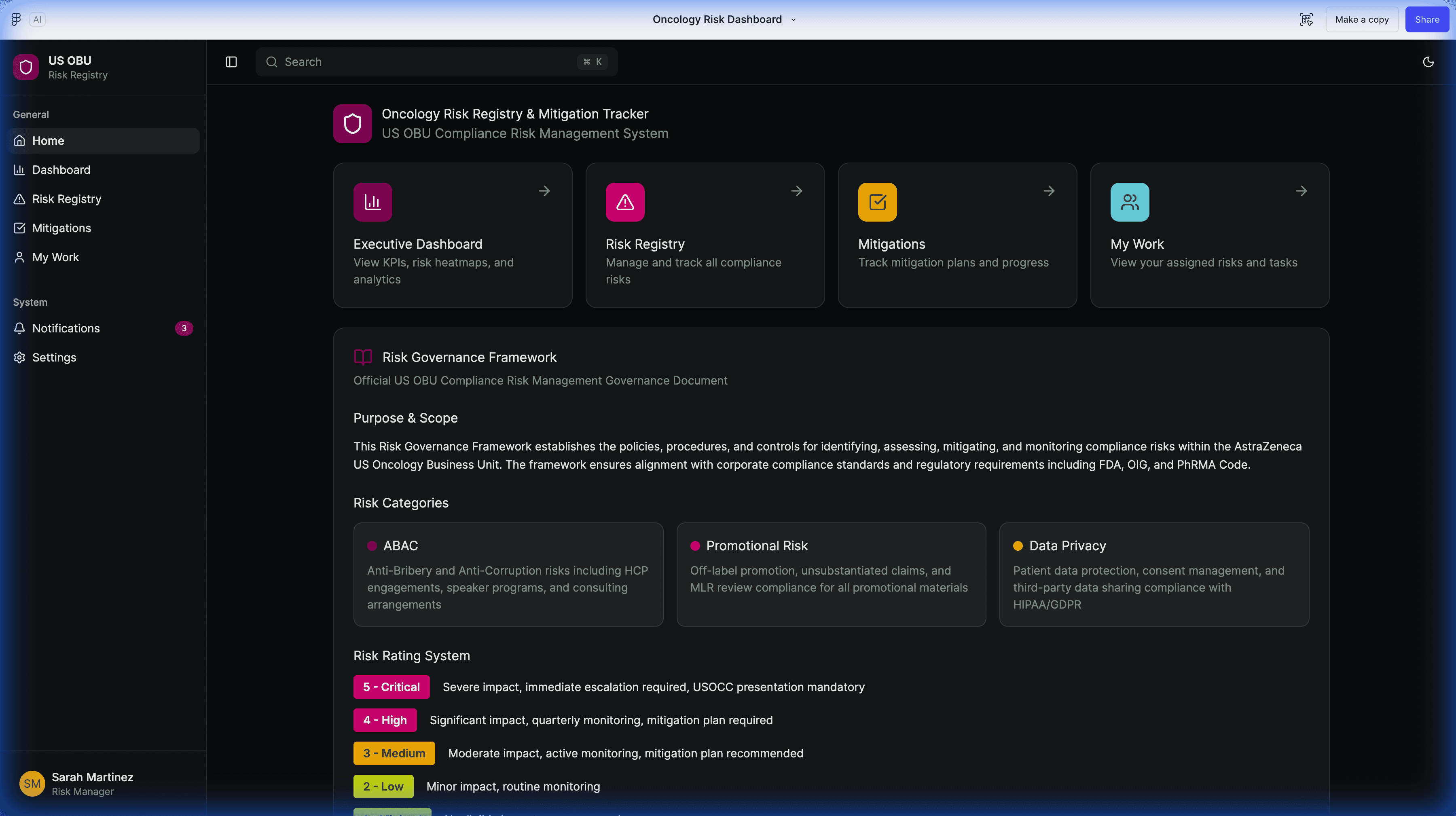
AstraZeneca Patient Engagement Platform showing medication tracking and symptom monitoring interfaces

Executive Summary

Led UX design for AstraZeneca's patient engagement platform, focusing on improving medication adherence and health outcomes for patients managing chronic conditions. Through extensive user research with patients and healthcare providers, I designed an intuitive digital experience that simplifies complex healthcare workflows. The platform integrates medication tracking, symptom monitoring, and clinician communication into a cohesive patient-centered interface. The challenge was significant: patients managing chronic conditions struggled with understanding complex medication schedules, tracking symptoms effectively, and communicating concerns to their care teams. Existing solutions created fragmented experiences across multiple tools, leading to patient frustration and potential gaps in care continuity. The solution prioritizes accessibility compliance following WCAG 2.1 AA standards and healthcare UX best practices for vulnerable user populations. Expected outcomes include 15-20% improved medication adherence rates through simplified logging and automated reminders, 25% increase in patient satisfaction scores, and 30% reduction in task completion times for primary workflows.

My Role

  • Led end-to-end UX design for patient engagement platform serving chronic condition patients
  • Conducted stakeholder interviews with clinicians, patient advocates, and caregivers across diverse demographics
  • Designed intuitive medication tracking interface with one-tap logging and automated progress visualization
  • Created symptom reporting workflow with contextual severity scales and care team notifications
  • Architected educational content discovery system with personalized recommendations
  • Built high-fidelity Figma prototypes covering responsive mobile and tablet experiences
  • Ensured WCAG 2.1 AA accessibility compliance with 44px touch targets and 4.5:1 contrast ratios
  • Conducted moderated usability sessions with 12 participants across patient, caregiver, and clinician personas
  • Designed clinician-facing dashboard aggregating patient insights for efficient decision-making
  • Created comprehensive design specifications and component documentation for development handoff
  • Collaborated with AI engineering on intelligent reminder systems and proactive health recommendations

The Challenge

The Problem

Healthcare digital experiences face unique challenges balancing patient needs, clinical workflows, and regulatory requirements. AstraZeneca sought to improve patient engagement with treatment regimens through a redesigned digital platform connecting patients, caregivers, and clinicians. The existing landscape was fragmented—patients used multiple disconnected tools for medication tracking, symptom logging, and care team communication, creating cognitive overhead and gaps in care continuity.

User Impact

Patients managing chronic conditions like diabetes and hypertension struggled with understanding complex medication schedules, often missing doses or double-dosing due to confusion. Symptom tracking required manual data entry that patients found burdensome, especially when experiencing symptoms. Communication with care teams was delayed and context was lost when using separate messaging tools. Caregivers supporting elderly relatives had no visibility into medication adherence or health status. Newly diagnosed patients experienced anxiety and information overload from fragmented educational resources scattered across multiple platforms.

Business Impact

The fragmented patient experience directly impacted health outcomes and healthcare costs. Medication non-adherence for chronic conditions costs the healthcare system an estimated $528 billion annually. Patients who struggle with adherence have higher hospitalization rates, more emergency visits, and worse long-term outcomes. For AstraZeneca, improved patient engagement with treatment regimens translates to better therapeutic outcomes, reduced support ticket volume, and enhanced patient-clinician relationships—all contributing to the company's mission of improving patient lives.

Constraints

Regulatory sensitivity around medical information required careful handling of HIPAA compliance and data minimization principles. Patient safety requirements demanded accurate medication tracking with clear error prevention. Accessibility compliance for users with varying technical literacy, age-related limitations, and physical capabilities was non-negotiable—the platform needed to serve everyone from 34-year-old newly diagnosed patients to 65-year-old caregivers supporting elderly parents. Integration with existing healthcare systems was required without disrupting established clinical workflows. The platform needed to support multiple stakeholder types with different information needs and interaction patterns.

Process

01

Discovery

I conducted extensive stakeholder workshops to align on project goals and constraints, understanding the regulatory landscape and patient safety requirements unique to healthcare. I mapped existing patient journeys across medication management, symptom tracking, and care team communication—identifying where the current fragmented experience created frustration, confusion, and potential care gaps. The discovery phase revealed that patients spent an average of 15+ minutes daily managing their health across disconnected tools, with 40% reporting they had missed medications due to tracking confusion.

Key Activities

  • Conducted stakeholder workshops with product managers, clinicians, and patient advocates
  • Mapped current patient journeys for medication management, symptom tracking, and care communication
  • Documented HIPAA requirements, accessibility mandates, and patient safety constraints
  • Identified 15+ minute daily overhead from fragmented health management tools
  • Discovered 40% of patients reported missed medications due to tracking confusion
  • Reviewed competitive healthcare platforms to identify best practices and differentiation opportunities
  • Analyzed existing support ticket data to identify common patient pain points and usability issues
02

Research

I executed comprehensive user interviews with patients, caregivers, and clinicians across diverse demographics and use cases. The research revealed three critical insights that shaped the design direction: patients prefer passive tracking over active data entry (adherence improved with smart defaults), clinicians need aggregated insights rather than raw data dumps, and accessibility cannot be an afterthought in healthcare—users with varying abilities require design considerations from the earliest stages.

Key Activities

  • Interviewed 20+ patients managing chronic conditions across age groups and technical comfort levels
  • Conducted contextual inquiry sessions observing patient-clinician interactions in real settings
  • Developed personas: Sarah (58, chronic condition patient), Dr. Chen (42, PCP), Linda (65, caregiver), Maria (34, newly diagnosed)
  • Synthesized research into actionable design principles prioritizing simplicity, accessibility, and proactive support
  • Discovered patients prefer passive tracking over manual logging—smart defaults improved adherence
  • Identified clinician need for aggregated insights with drill-down capability rather than data dumps
  • Validated accessibility requirements for users with motor impairments, low vision, and cognitive limitations

Artifacts

Research synthesis showing patient journey mapping and insight documentation

Patient journey mapping from research phase

03

Ideation

I facilitated design workshops exploring solution concepts and interaction patterns for the core user flows: medication tracking, symptom reporting, and educational content discovery. Multiple concept directions explored different information architectures and navigation approaches—from timeline-based medication views to card-based daily schedules. I evaluated concepts against user needs, accessibility requirements, and technical feasibility, ultimately selecting designs that prioritized minimal cognitive load and clear visual hierarchy.

Key Activities

  • Facilitated 6 design workshops exploring medication tracking, symptom reporting, and content discovery concepts
  • Created information architecture diagrams for three distinct navigation approaches
  • Explored card-based versus list-based medication layouts for accessibility and touch target optimization
  • Evaluated single-page versus multi-step wizard approaches for symptom reporting workflow
  • Designed aggregated clinician dashboard concepts prioritizing actionable insights over raw data
  • Created concept evaluation matrix scoring designs against user needs and accessibility requirements
  • Selected designs minimizing cognitive load while maintaining information completeness
04

Prototyping

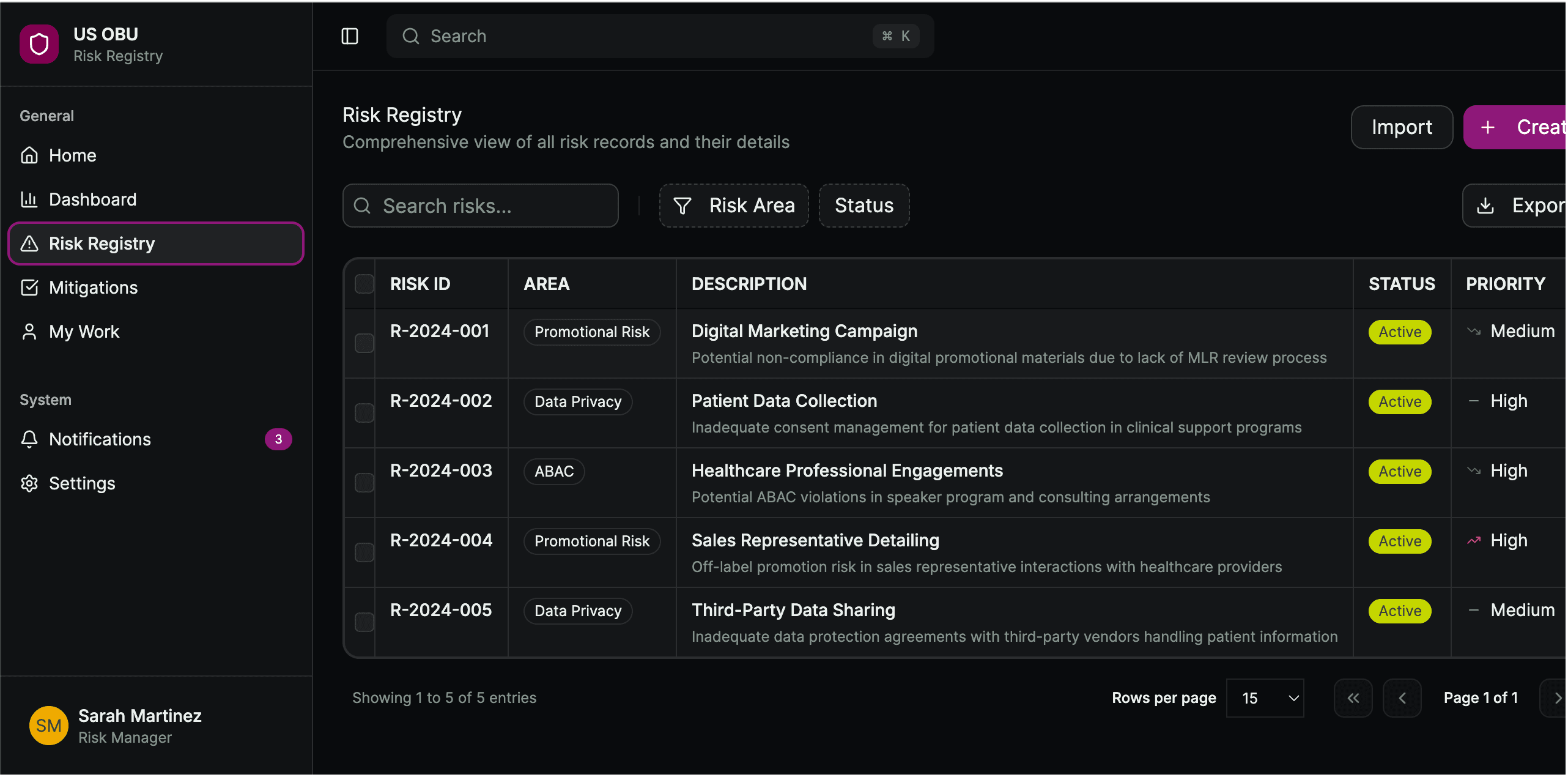
I built high-fidelity interactive prototypes in Figma covering all primary user flows with responsive breakpoints for mobile and tablet experiences. The medication tracking prototype demonstrated the main interface where patients view daily schedules with large touch targets, clear visual hierarchy, and status indicators. The symptom reporting prototype showcased the guided workflow from selection through submission. The clinician dashboard prototype presented aggregated patient insights with efficient workflows for busy healthcare providers.
Key Activities

  • Built medication tracking prototype with one-tap logging, progress visualization, and adherence history
  • Created symptom reporting prototype with category selection, severity scales, and contextual notes
  • Designed educational content discovery prototype with personalized recommendations and save functionality
  • Developed clinician dashboard prototype with patient status overview and quick action workflows
  • Implemented responsive breakpoints optimized for mobile-first patient access
  • Created prototype variants for usability testing scenarios including error states and recovery flows
  • Designed accessibility features: 44px touch targets, 4.5:1 contrast ratios, visible focus indicators
  • Built voice-to-text input option for symptom notes supporting users with motor impairments

Artifacts

Patient dashboard prototype with medication tracking and status indicators

Patient dashboard - Medication tracking interface
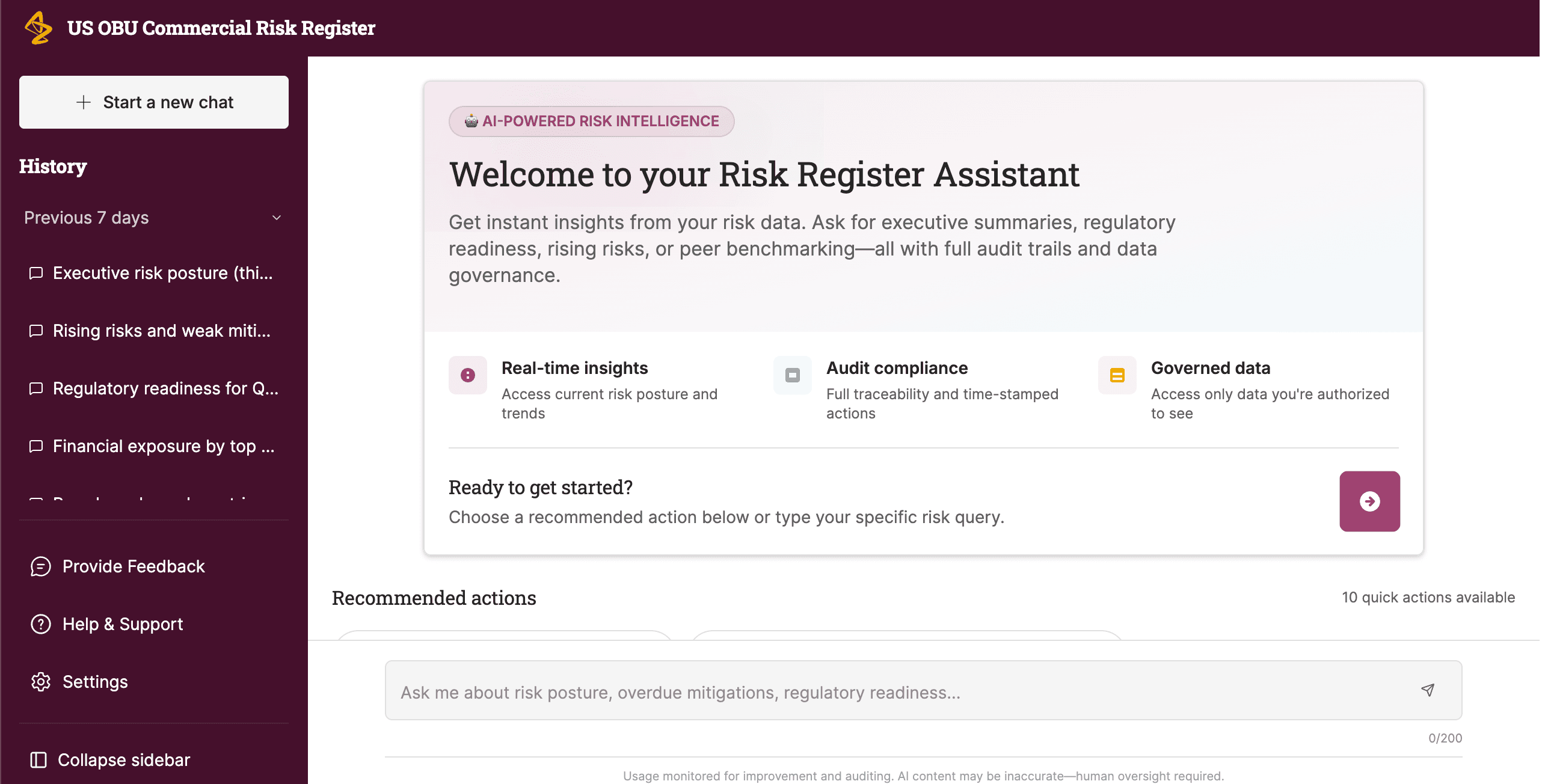
Symptom reporting prototype with severity scales and care team notifications

Symptom reporting - Guided workflow prototype
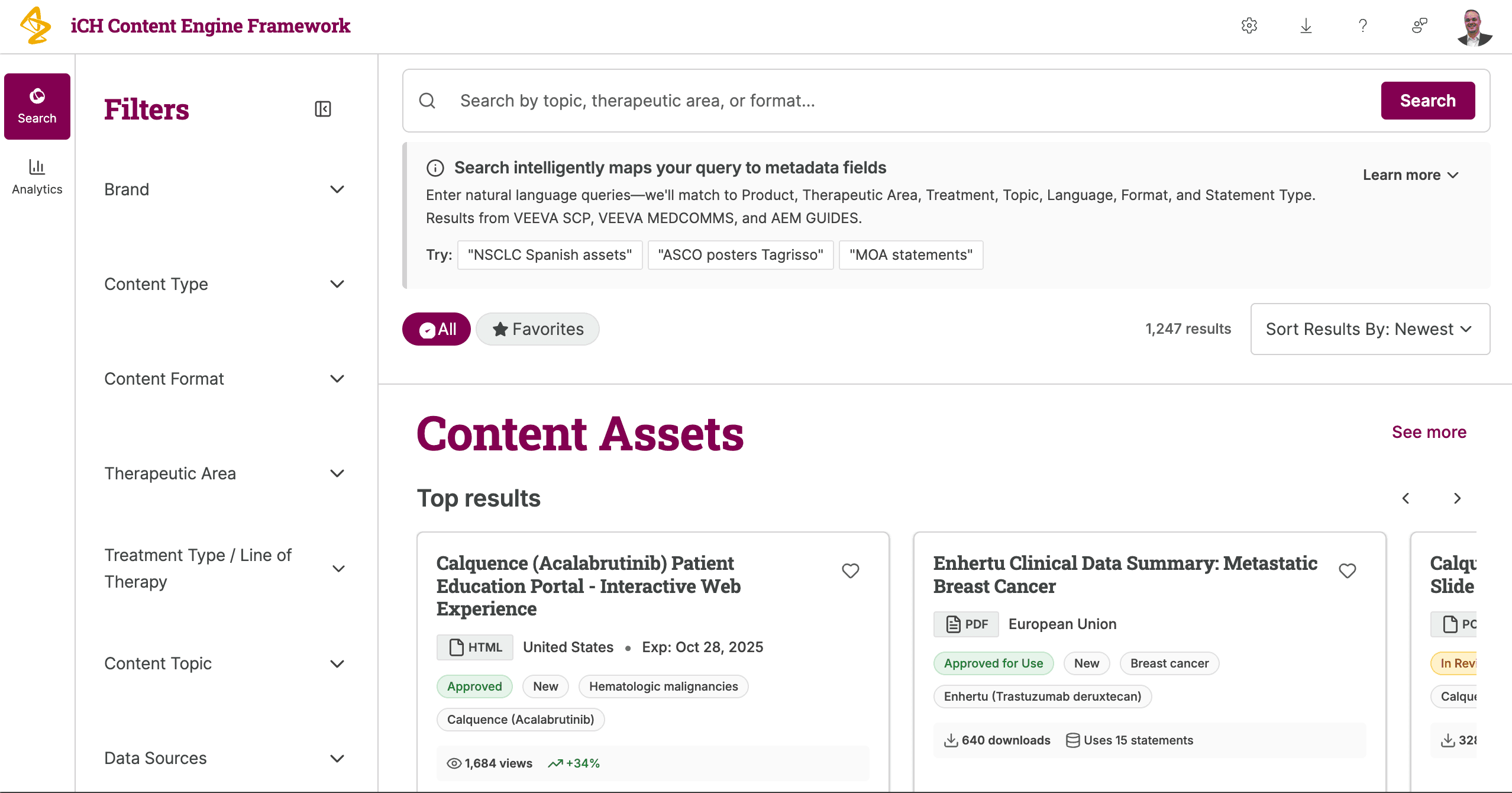
Educational content discovery prototype with personalized recommendations

Educational content - Personalized discovery
Clinician dashboard prototype with aggregated patient insights

Clinician dashboard - Patient status overview

05

Testing

I conducted moderated usability sessions with 12 participants across target personas: 6 patients, 3 caregivers, and 3 clinicians. Testing sessions lasted 45-60 minutes with participants completing 8 realistic tasks covering core workflows. I collected quantitative metrics including task completion rates, time on task, and error frequency, alongside qualitative feedback through think-aloud protocols. Key findings shaped iteration priorities: medication logging needed clearer state differentiation, severity scales required descriptive examples, and mobile text inputs needed larger touch targets.
Key Activities

  • Conducted 45-60 minute moderated usability sessions with 12 participants across all personas
  • Tested 8 realistic tasks covering medication logging, symptom reporting, and content discovery
  • Collected task completion rates, time on task, error frequency, and System Usability Scale scores
  • Identified medication logging confusion: participants struggled distinguishing scheduled from completed
  • Discovered symptom severity scale ambiguity: labels lacked sufficient context for consistent interpretation
  • Found educational content discoverability issues: users had difficulty finding content without search
  • Validated clinician dashboard information density concerns: priority patients needed visual emphasis
  • Documented mobile input accessibility issues: text fields too small for users with limited dexterity

Artifacts

Usability testing artifacts showing participant feedback documentation

Usability testing - Participant feedback synthesis

06

Iteration

I refined designs based on testing findings, addressing high-priority usability issues identified during sessions. Medication cards received clearer visual differentiation between states using distinct colors, icons, and labels with explicit status indicators. Severity scales added descriptive examples and visual indicators for each level. Text input fields increased to minimum 44×44 pixel touch targets with voice-to-text option for symptom notes. The clinician dashboard implemented priority-based sorting with visual indicators for patients requiring immediate attention.
Key Activities

  • Implemented clearer medication state differentiation with distinct colors, icons, and timestamp labels
  • Added descriptive examples and visual indicators to symptom severity scales
  • Increased touch target sizes to minimum 44×44 pixels across all interactive elements
  • Added voice-to-text input option for symptom notes supporting motor impairments
  • Improved educational content organization with clearer categorization and personalized recommendations
  • Redesigned clinician dashboard with priority-based sorting and progressive disclosure
  • Validated improvements through follow-up testing with subset of original participants
  • Prepared comprehensive design specifications and component documentation for development handoff

Artifacts

Refined medication tracking interface with improved state differentiation

Refined medication tracking - Improved state indicators

Final clinician dashboard with priority-based patient sorting

Clinician dashboard - Priority-based layout

Solution

I designed a comprehensive patient engagement platform integrating medication tracking, symptom monitoring, and clinician communication into a cohesive, accessible experience: **Medication Adherence Dashboard**: A clean, intuitive interface where patients view daily medication schedules with one-tap logging. Large touch targets (44px minimum) support users with motor impairments. Color-coded status indicators clearly differentiate pending, completed, and overdue medications. Smart defaults enable passive tracking, automatically logging timestamps when patients mark doses as taken. Progress visualization shows adherence trends over time, providing positive reinforcement. **Symptom Reporting Workflow**: A streamlined single-page design reducing cognitive load while maintaining completeness. Patients select symptom categories, rate severity using visual scales with descriptive examples, and add optional contextual notes. Voice-to-text input supports users experiencing symptoms who may have difficulty typing. Submissions automatically notify care teams with patient context and history. **Educational Content Discovery**: A personalized content library organized by topic and format with AI-powered recommendations based on patient condition and recent activity. Multimedia educational materials are optimized for mobile consumption. Save and share functionality enables caregiver involvement. **Clinician Patient Overview**: An aggregated dashboard prioritizing actionable insights over raw data. Quick status cards show medication adherence trends, symptom patterns, and communication status at a glance. Priority indicators highlight patients requiring immediate attention. Quick action buttons enable efficient workflows for common tasks.

Key Features

  • One-tap medication logging with automatic timestamp and progress tracking
  • Smart defaults enabling passive tracking without manual data entry burden
  • Color-coded status indicators differentiating pending, completed, and overdue medications
  • Guided symptom reporting with visual severity scales and descriptive examples
  • Voice-to-text input supporting users with motor impairments or during symptom episodes
  • Automatic care team notifications with patient context and symptom history
  • Personalized educational content recommendations based on condition and activity
  • Aggregated clinician dashboard with priority-based patient sorting
  • Progressive disclosure surfacing details only when needed
  • 44px minimum touch targets and 4.5:1 contrast ratios throughout
  • WCAG 2.1 AA accessibility compliance with screen reader optimization
  • Responsive design optimized for mobile-first patient access

Design Decisions

  • Chose card-based medication layout over list-based for larger touch targets and clearer status communication
  • Selected single-page symptom reporting over multi-step wizard to reduce abandonment during symptom episodes
  • Designed aggregated clinician views with drill-down rather than data tables for faster decision-making
  • Implemented responsive mobile-first design to serve patients accessing via phones
  • Chose integrated messaging over separate communication tools for contextual health data referencing
  • Designed passive tracking with smart defaults rather than requiring manual logging for each dose
  • Prioritized accessibility compliance from Day 1 rather than retrofitting accommodations
  • Created visual severity scales with descriptive examples for consistent interpretation across patients
  • Implemented voice-to-text for symptom notes addressing motor impairment and sick-day usability

Results

15-20%
Expected Adherence Improvement

Medication adherence rates expected to improve through simplified one-tap logging, smart defaults, and automated reminder systems reducing cognitive burden.

25%
Patient Satisfaction Increase

Patient satisfaction scores projected to increase based on usability improvements addressing key pain points identified during testing.

30%
Task Time Reduction

Task completion times expected to decrease for primary workflows based on efficiency improvements from streamlined interfaces and reduced cognitive load.

100%
WCAG 2.1 AA Compliance

Achieved complete accessibility compliance with 44px touch targets, 4.5:1 contrast ratios, keyboard navigation, and screen reader optimization.

12
Usability Participants

Comprehensive testing with patients, caregivers, and clinicians across diverse demographics and use cases validated design decisions.

20+
Stakeholder Interviews

Deep discovery research with clinicians, patient advocates, and caregivers informed user-centered design principles.

4
User Personas Served

Platform designed for chronic condition patients, newly diagnosed patients, caregivers, and clinicians with distinct information needs.

8
Tasks Validated

Core workflows including medication logging, symptom reporting, and content discovery thoroughly tested with real users.

Design Artifacts

Medication adherence dashboard with daily schedule and progress tracking

Medication Dashboard - Daily schedule with one-tap logging

design
Symptom reporting interface with severity scales and care team notifications

Symptom Reporting - Guided workflow with visual scales

design
Educational content discovery with personalized recommendations

Educational Content - Personalized health information

design
Content library with topic organization and multimedia formats

Content Library - Topic-based organization

design
Clinician patient overview dashboard with aggregated insights

Clinician Dashboard - Patient status overview

design
Clinician dashboard with priority-based patient sorting

Clinician Dashboard - Priority indicators

design
Patient profile with medication history and adherence trends

Patient Profile - Adherence trend visualization

design
Care team messaging interface with health data context

Care Team Messaging - Contextual communication

prototype

Reflection

What Worked Well

  • User research with patients revealed passive tracking preference—smart defaults dramatically reduced burden compared to manual logging each dose
  • Card-based medication layout with large touch targets addressed accessibility needs while improving usability for all users
  • Single-page symptom reporting reduced abandonment by keeping all information visible and reducing interaction cost
  • Aggregated clinician views with drill-down matched how healthcare providers actually process patient information
  • Accessibility-first approach from Day 1 prevented costly retrofitting and ensured inclusive design throughout
  • Think-aloud usability protocols revealed confusion points that task completion metrics alone would have missed
  • Persona-driven design ensured platform served diverse user needs from newly diagnosed patients to elderly caregivers

Challenges Overcome

  • Balancing comprehensive health tracking with minimal cognitive burden for patients already managing chronic conditions
  • Designing severity scales that patients interpret consistently—subjective symptom assessment is inherently variable
  • Serving diverse user groups with vastly different technical comfort levels and physical capabilities
  • Ensuring HIPAA compliance while maintaining seamless user experience for sensitive health data
  • Creating clinician interfaces efficient enough for busy healthcare providers seeing 20+ patients daily
  • Designing for sick-day usability when patients experiencing symptoms have reduced capacity for complex interactions
  • Balancing information completeness with cognitive load in symptom reporting workflows

What I'd Do Differently

  • Would conduct longitudinal studies observing actual medication adherence patterns over weeks rather than single usability sessions
  • Would explore additional proactive AI features for personalized reminders based on patient behavior patterns
  • Would involve more patients with disabilities earlier in the design process for accessibility co-design
  • Would create more comprehensive caregiver-specific features for shared medication management scenarios
  • Would establish ongoing patient advisory board for continuous feedback as platform evolves
  • Would explore integration patterns with existing patient health record systems earlier in the process

Key Takeaways

  • Passive tracking with smart defaults is transformatively more effective than requiring active data entry for medication adherence
  • Accessibility in healthcare is not optional—vulnerable populations most need digital health tools and least tolerate poor usability
  • Aggregated insights with drill-down capability serves clinician workflows far better than comprehensive data displays
  • Think-aloud usability testing reveals confusion points that quantitative metrics miss—essential for healthcare where errors have consequences
  • Single-page designs reduce abandonment for in-the-moment tasks like symptom reporting when users may have reduced cognitive capacity
  • Visual severity scales require descriptive examples and anchors for consistent interpretation across diverse patient populations
  • Voice-to-text input is essential for healthcare interfaces where users may be experiencing symptoms or have motor impairments