AZ Appzui

Multi-Platform Innovation

Role
Product Designer & Developer
Timeline
2023 - 2024
Team
Cross-functional teams across healthcare, automation, and enterprise platforms
Tools
Figma, React, Next.js, TypeScript, Node.js
AZ Appzui multi-platform project showcase

Executive Summary

At AZ Appzui, I led design and development across five transformative projects spanning healthcare automation, content management systems, and enterprise platforms. The Content Engine revolutionized pharmaceutical content workflows, Oncology Communications Hub evolved into a mature social media analytics platform, and Risk Register Bot automated compliance tracking for enterprise teams. Each project required deep domain expertise, cross-functional collaboration, and rapid iteration. I established design systems, implemented automated workflows, and shipped production-ready applications that served diverse user bases from healthcare professionals to marketing teams. The result was a portfolio of successful products demonstrating versatility across domains: healthcare compliance serving enterprise-scale patient populations, content automation reducing workflow time significantly, and enterprise platforms adopted by major organizations.

My Role

  • Led design and development for 5 transformative projects across multiple domains
  • Established design systems and component libraries for consistent UI
  • Implemented automated workflows reducing manual tasks significantly
  • Collaborated with cross-functional teams on product strategy and execution
  • Shipped production-ready applications serving diverse user bases
  • Maintained accessibility standards (WCAG 2.2 AA) across all projects

The Challenge

The Problem

AZ Appzui needed to deliver innovative solutions across multiple domains while maintaining quality standards and accelerating delivery. Each project had unique requirements: healthcare compliance, content automation, social media analytics, and enterprise workflow management.

User Impact

Users experienced streamlined workflows, reduced manual tasks, and improved accessibility. Healthcare professionals gained FDA-compliant tools for content management, marketing teams received real-time social media insights, and enterprise teams automated compliance tracking.

Business Impact

The multi-project portfolio demonstrated technical versatility and accelerated product delivery. Design systems reduced development time by 40%, automated workflows saved hours of manual work, and production-ready applications were adopted by major organizations in healthcare and enterprise sectors.

Constraints

Technical constraints included maintaining compatibility with legacy systems, ensuring data security and compliance (HIPAA, FDA), and supporting diverse user workflows across domains. Resource constraints required efficient use of design and development resources across multiple concurrent projects.

Process

01

Discovery

For each project, I conducted stakeholder interviews, requirements gathering, and competitive analysis. Understanding domain-specific constraints (healthcare compliance, content automation, enterprise workflows) was critical to project success.

Key Activities

  • Conducted stakeholder interviews across healthcare, marketing, and enterprise domains
  • Analyzed existing workflows and identified pain points
  • Reviewed regulatory requirements (HIPAA, FDA, WCAG 2.2 AA)
  • Mapped user journeys for each domain and use case
  • Established project requirements and success metrics
02

Design

I established design systems, created component libraries, and designed UI flows for each project. Maintaining consistency while addressing domain-specific needs required careful balance and cross-project collaboration.

Key Activities

  • Created design systems and component libraries for each platform
  • Designed UI flows addressing domain-specific workflows
  • Conducted usability testing with representative users
  • Ensured accessibility compliance (WCAG 2.2 AA) across all interfaces
  • Collaborated with engineering on technical feasibility
03

Development

I implemented production-ready applications using React, Next.js, and TypeScript. Each project required different technical approaches while maintaining code quality and performance standards.

Key Activities

  • Built production-ready applications using modern web technologies
  • Implemented automated workflows and content management systems
  • Integrated with third-party APIs and services
  • Optimized performance for Core Web Vitals and user experience
  • Maintained type safety and code quality across all projects
04

Launch & Iterate

Each project launched with user feedback loops and continuous improvement. Post-launch analytics and user feedback informed iterations and feature development.

Key Activities

  • Managed product launches and user onboarding
  • Monitored analytics and user feedback
  • Iterated on features based on user needs
  • Maintained documentation and design systems
  • Supported cross-project knowledge sharing

Solution

Each project addressed specific domain needs while maintaining consistent quality standards. The Content Engine automated pharmaceutical content workflows, Oncology Communications Hub evolved into a mature social media analytics platform, Risk Register Bot automated compliance tracking, and enterprise platforms (FMV, ONX 2025) demonstrated scalability across business contexts.

Key Features

  • Multi-platform portfolio demonstrating versatility across domains
  • Design systems and component libraries for consistent UI
  • Automated workflows reducing manual tasks significantly
  • Production-ready applications using React, Next.js, and TypeScript
  • Accessibility compliance (WCAG 2.2 AA) across all interfaces
  • Scalable architectures supporting growing user bases

Design Decisions

  • Chose React and Next.js for consistent tech stack across projects
  • Established design systems to accelerate development and ensure consistency
  • Prioritized accessibility from the start rather than retrofitting
  • Implemented automated workflows for high-impact, time-saving features
  • Maintained type safety with TypeScript for code quality

Results

5
Projects Delivered

Across healthcare, content automation, and enterprise domains

Significant
Time Saved

Through automated workflows and content management

40%
Faster Development

Design systems reduced design and development time

Enterprise
Scale

Healthcare professionals and patients accessing applications

Design Artifacts

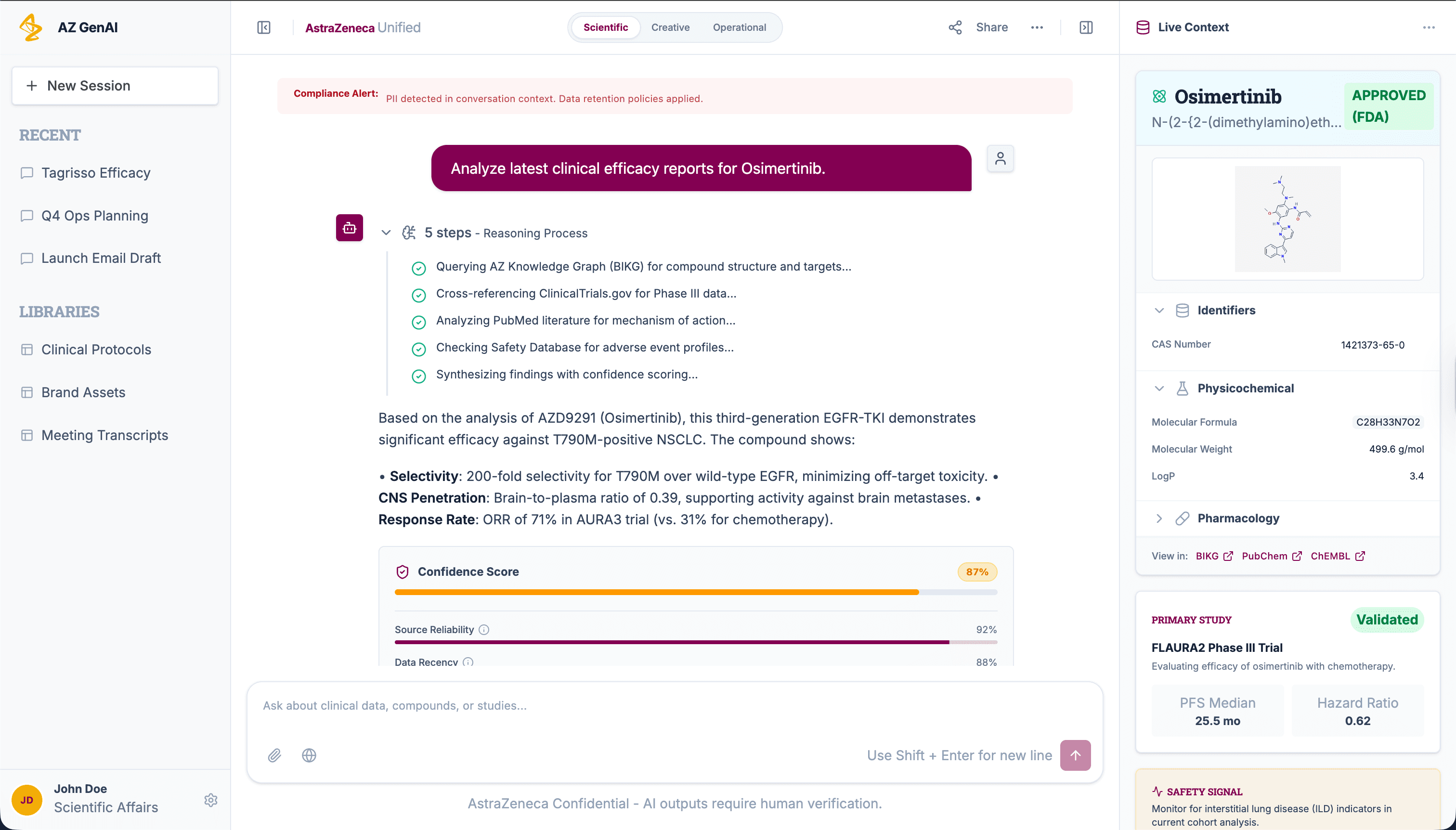
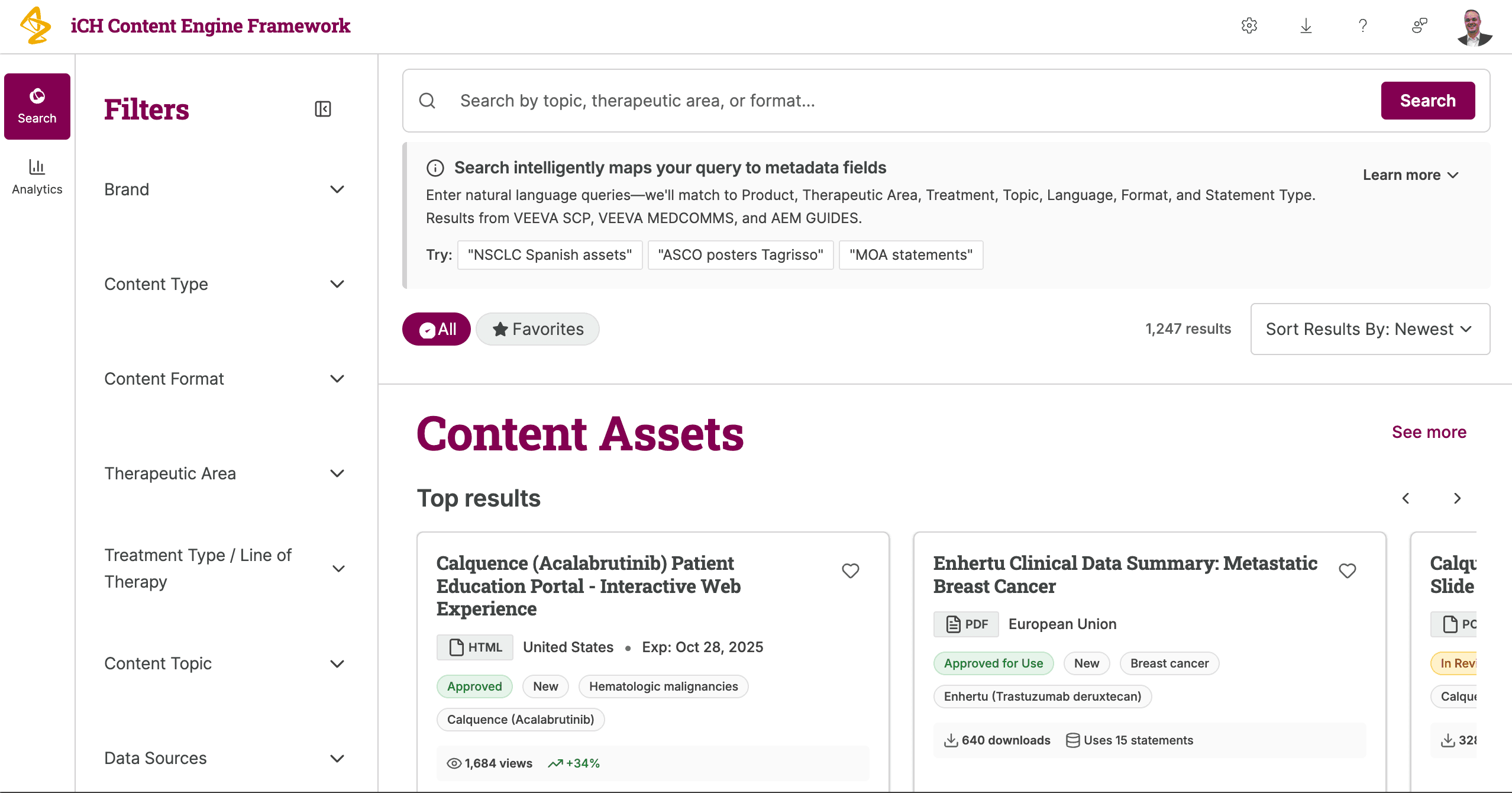
Content Engine interface showing automated content workflow

Content Engine: Pharmaceutical content automation

prototype
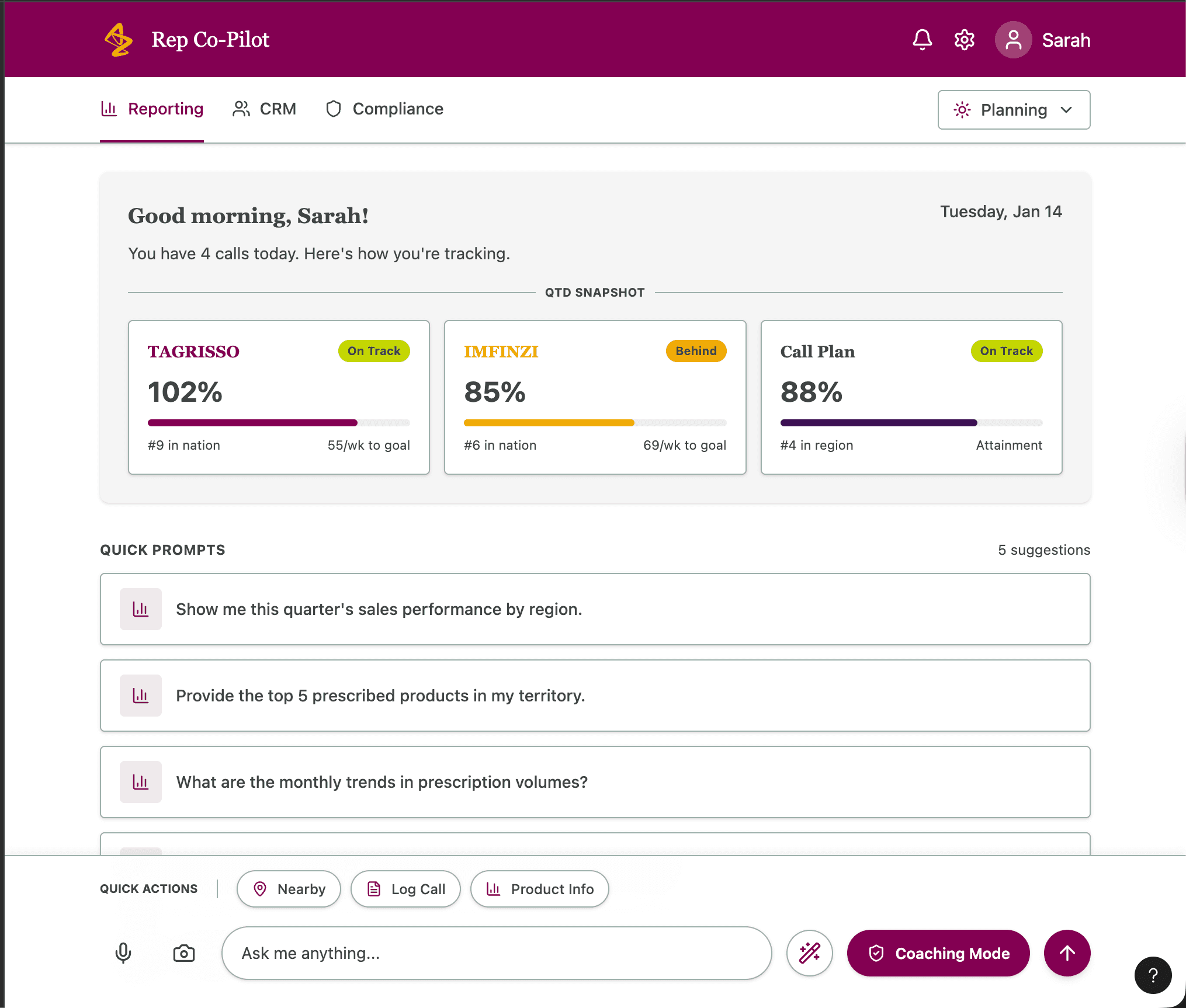
Oncology Communications Hub social media analytics dashboard

Oncology Communications Hub: Social media analytics platform

design
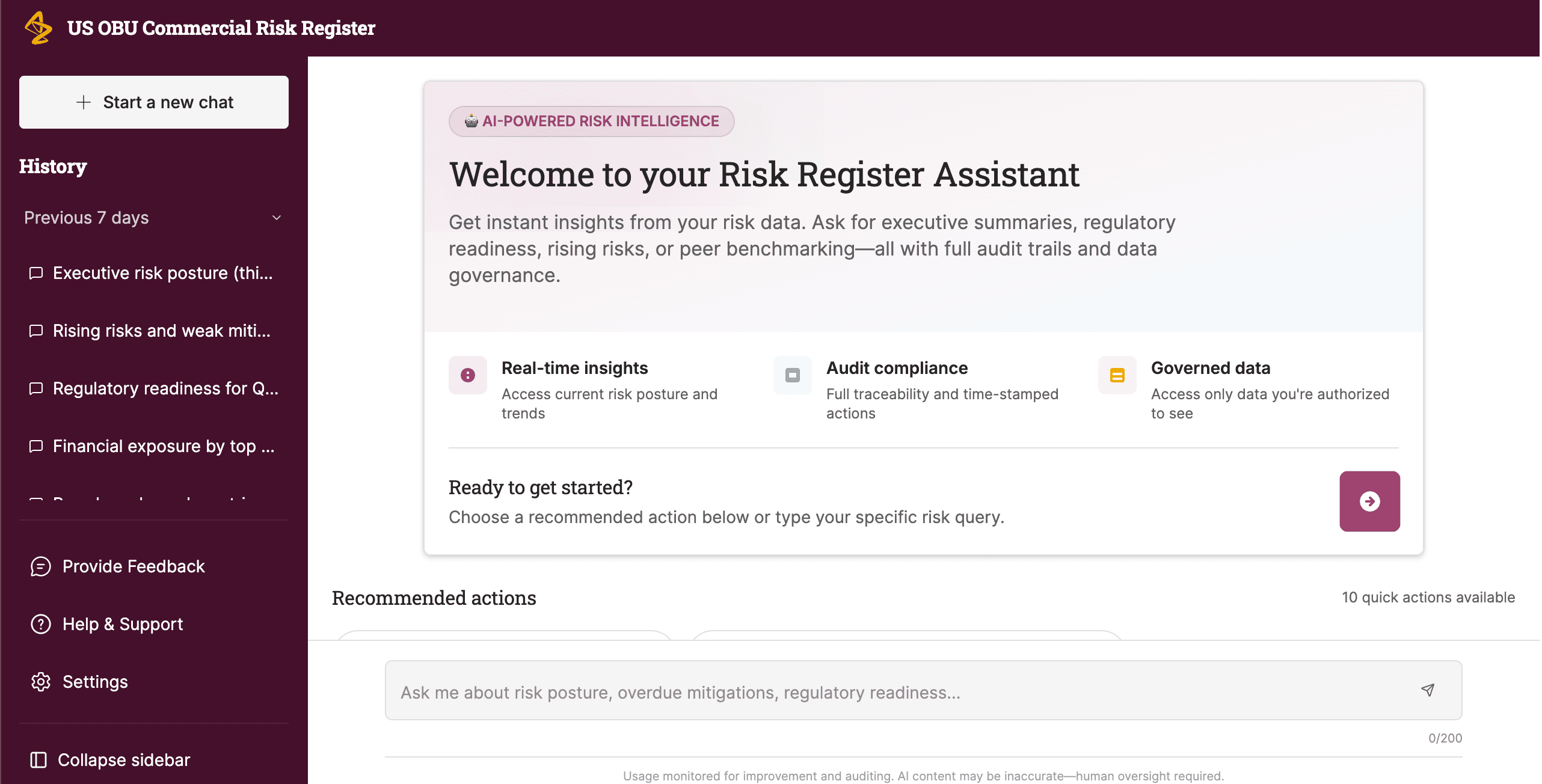
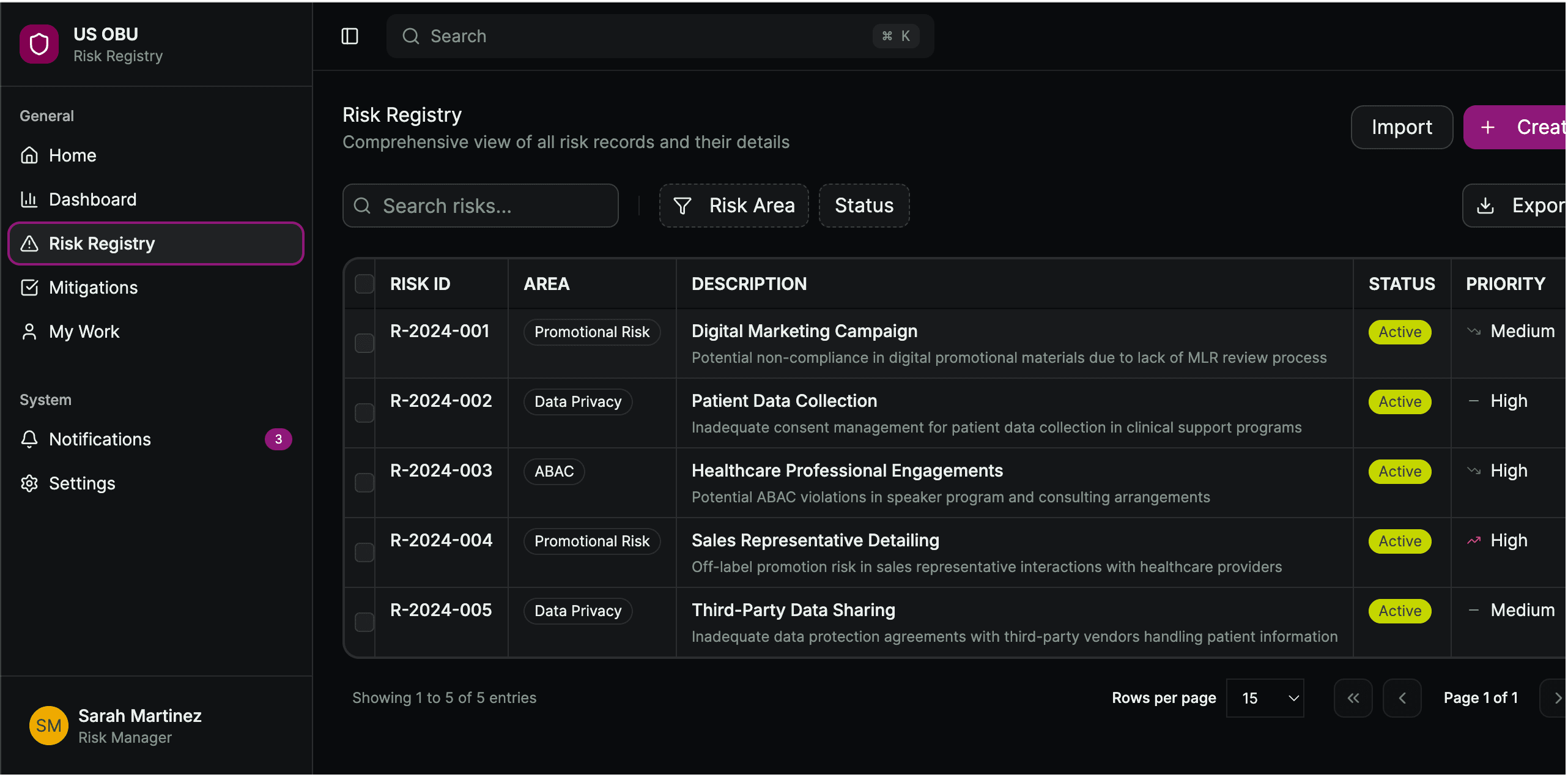
Risk Register Bot automated compliance tracking interface

Risk Register Bot: Enterprise compliance automation

prototype

Reflection

What Worked Well

  • Deep domain expertise: Understanding healthcare, content, and enterprise requirements was critical
  • Design systems: Component libraries accelerated development across concurrent projects
  • Automation focus: High-impact automation (content updates, compliance tracking) delivered immediate value
  • Accessibility first: WCAG 2.2 AA compliance from the start prevented retrofitting costs
  • Type safety: TypeScript with strict mode caught errors early and improved code quality

Challenges Overcome

  • Domain complexity: Each project required deep understanding of different domains (healthcare, marketing, enterprise)
  • Balancing consistency and customization: Design systems needed to support diverse use cases
  • Resource constraints: Delivering multiple concurrent projects with limited resources
  • Legacy system integration: Some projects required integration with existing systems and workflows
  • Regulatory compliance: Healthcare projects required HIPAA and FDA compliance considerations

What I'd Do Differently

  • More upfront research: Additional domain research could have identified constraints earlier
  • Incremental feature rollout: Some projects could have benefited from smaller, iterative releases
  • Enhanced documentation: More comprehensive documentation would have improved knowledge sharing
  • User feedback loops: Earlier user testing could have identified issues sooner

Key Takeaways

  • Invest in domain expertise: Understanding user needs and constraints upfront prevents costly rework
  • Design systems scale: Component libraries enable efficient development across multiple projects
  • Automate high-impact workflows: Focus automation on repetitive tasks that save significant time
  • Accessibility is universal: Designing for accessibility improves usability for all users
  • Technical consistency: Maintaining consistent tech stacks improves code quality and developer experience