Designing and building AI workflows at AstraZeneca
- Client
- AstraZeneca
- Engagement
- August 2025 to August 2026
- Contract title
- Senior UI/UX Business Analyst
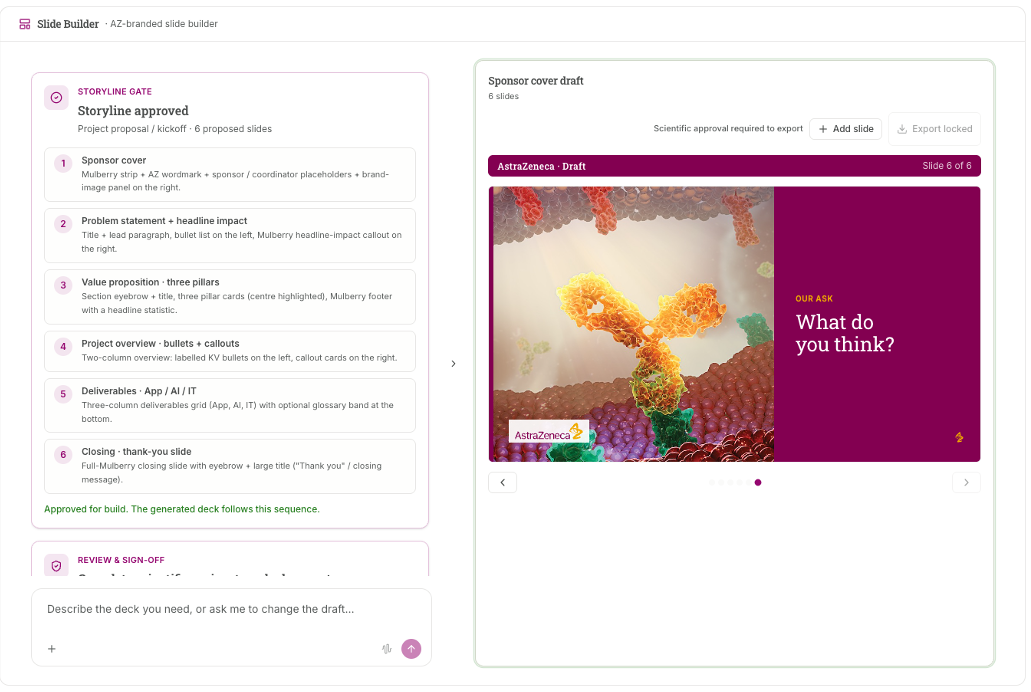
At AstraZeneca, I designed compliance tools, forecasting interfaces, and workflows for a shared AI workbench. I wrote requirements, built frontend prototypes with AI assistance, and developed components and guidance for engineers building their own screens.
- Contribution
- Product design, business analysis, and prototype implementation
What each part covers
Part 1
A risk register for US Oncology Compliance
I wrote the requirements and built the interface prototypes for the US Oncology Business Unit's commercial risk register. ECS built the released application in Power Apps, and its first phase launched in March 2026.
Part 2
Reviewing policy exceptions and rule changes
Two review flows beside the risk register. For policy exceptions, I prototyped how a reviewer reads a request and records a decision. For business-rule changes, I mapped how a requester tests a change and shows its impact before review.
Part 3
Designing the AI Workbench
In May 2026 my focus moved to the shared AI Workbench, which brought several AI-assisted tasks into one workspace. I designed a view for each task, built the content-review flow with AI assistance, and worked with medical specialists on review gates and terminology.
Part 4
Design foundations and the engineering handoff
I built shared design foundations and components so engineers could build their own Workbench screens. Then I handed over the behavior, the version, and the limits of what the prototypes proved.
Part 5
More AI prototypes
Five smaller AI products: a forecasting tool, a brand-planning assistant, one front door for many assistants, a conference app, and two assistants for research governance. I designed the interfaces. Other people owned the models, agents, and data behind them.
Results
- The risk register's first phase launched in March 2026. I contributed requirements, interface prototypes, acceptance testing, and issue triage.
- I designed and revised AI workflow interfaces, implemented key frontend behavior with AI assistance, and supplied material engineers confirmed receiving and integrating.
- I coordinated the medical-content use case and used prototype reviews to clarify requirements for sources, outputs, review, and scope.
- The design-system work produced shared foundations, components, presentation material, and integration guidance. A documentation prototype used part of the archived token distribution.
Evidence limit
The AI prototypes do not establish production adoption or measured savings. The earlier source-review prototype simulated access, kept state in memory, and used alert-based download and release actions. The later Workbench had local PowerPoint generation code, with predefined sample content and a simulated reviewer identity. Accessibility conformance remains unverified.
Related work
From thirteen systems to one service task
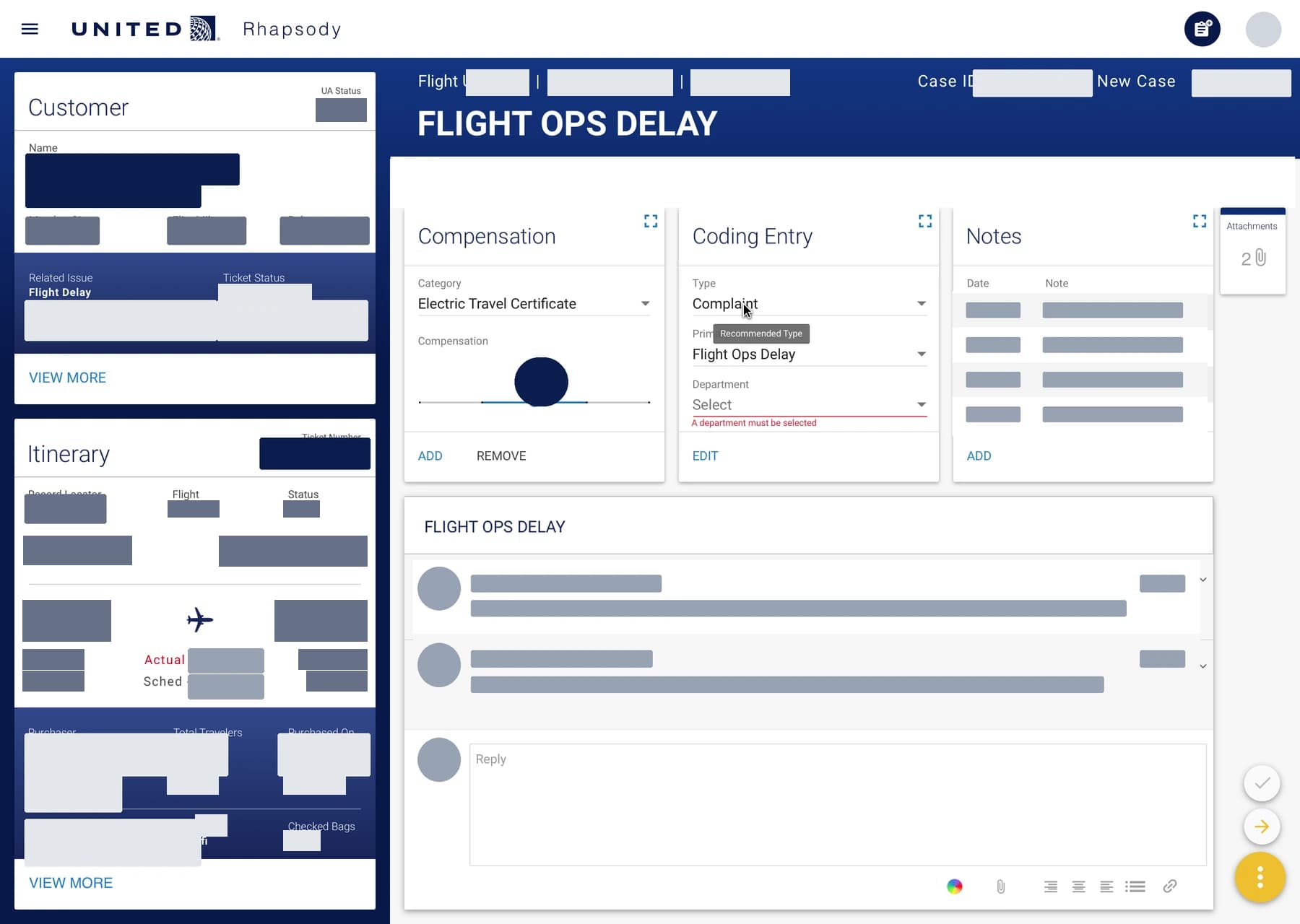
At IBM iX, I helped consolidate thirteen customer-care systems into one task-centered dashboard. During the pilot, average throughput rose from two to seven complaint resolutions per hour.
- Information architecture
- Interaction design
- Ethnographic research
- Service design
One design system across four DHCS workstreams
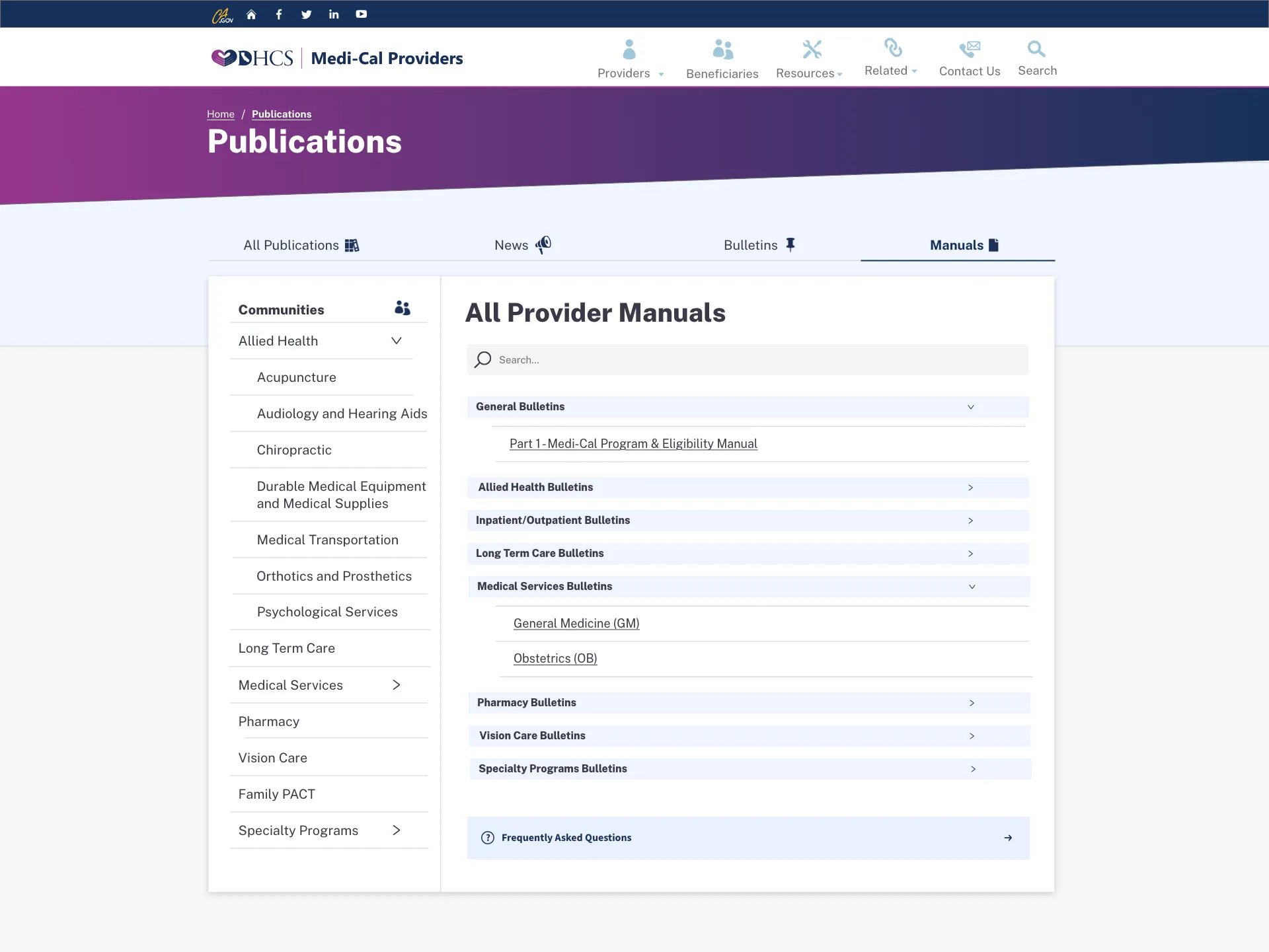
I designed shared patterns that made service rules visible across four California health-care workstreams. The Figma system kept components, decisions, and handoff connected as teams moved from Adobe XD.
- Design systems
- Accessibility
- Design-tool transition
- Stakeholder coordination